
GCARE and UWE Bristol showcase GP4Streets at the Festival of Nature 2026
The Global Centre for Clean Air Research (GCARE), led by Professor Prashant Kumar at the University of Surrey, participated in the Festival of Nature Wild Weekend at Millennium Square, Bristol, on14 June 2026. The Festival of Nature is the United Kingdom’s largest free celebration of the natural world, bringing together researchers, environmental organisations, families and local communities through practical activities, demonstrations, workshops and conversations.
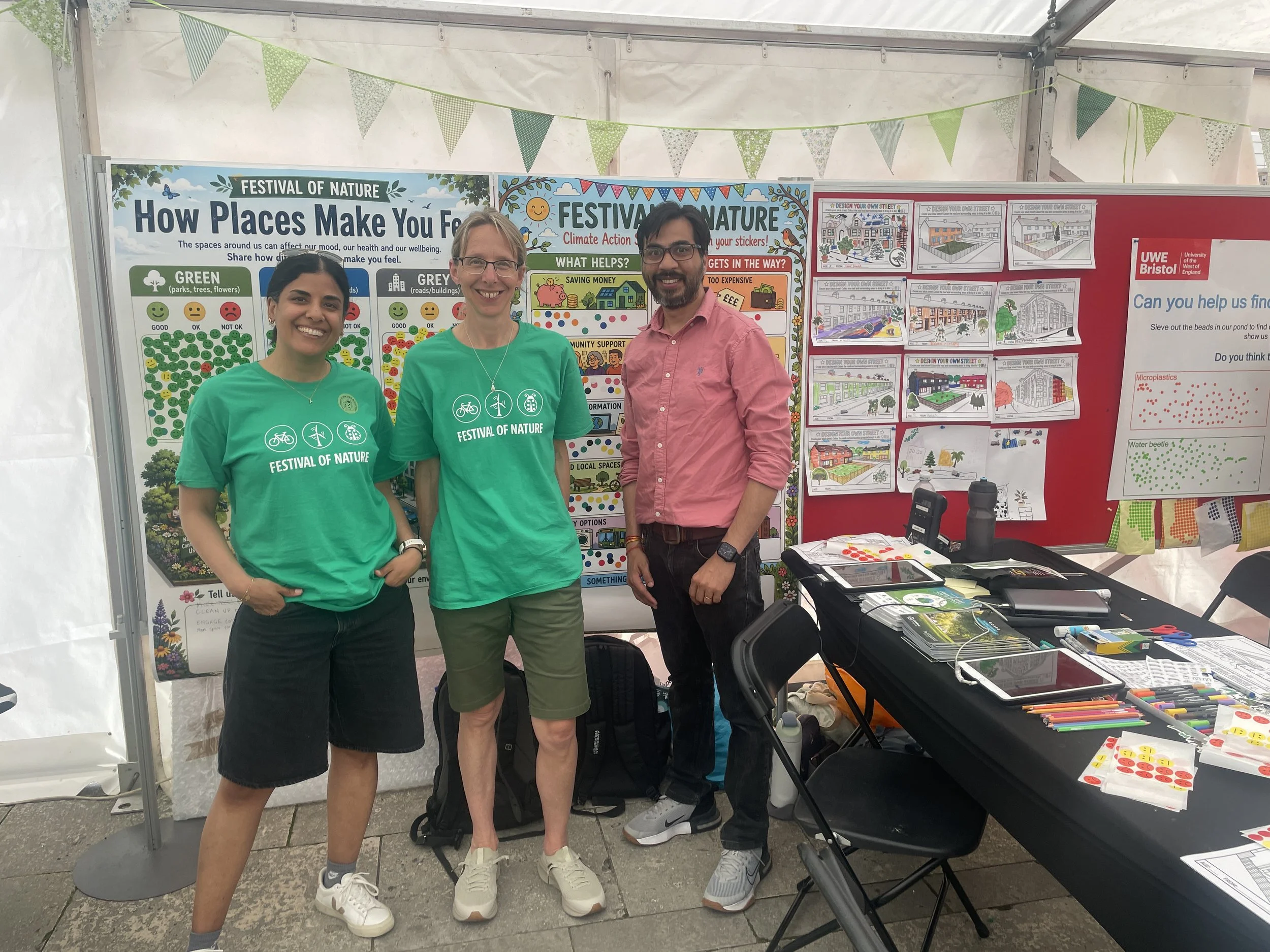
The Wild Weekend is the largest event within the Festival of Nature programme and attracts approximately 10,000 to 15,000 visitors over the two days. Representing GCARE team and the GP4Steets project, Dr Anubhav Dwivedi joined colleagues from the University of the West of England (UWE) Bristol, including Dr Yarden Woolf, Professor Danielle Sinnett and Dr Issy Bray, to showcase the vision and activities of the UKRI funded GP4Streets project.
Professor Prashant Kumar, Director of GCARE and lead PI of the GP4Streets project, remarked: "Creating climate-resilient and healthy cities requires a fundamental shift in how we design and manage our streets and neighbourhoods. GP4Streets is about empowering communities to become active participants in this transformation through simple yet impactful greening interventions. Events like the Festival of Nature demonstrate the power of collaboration between research, policy and society in shaping a more sustainable urban future."
Professor Kumar added “It is inspiring to see such enthusiasm from communities for making their streets greener and healthier. GP4Streets shows that even small changes – such as planting, green walls or rain gardens - can make a big difference to how we experience our neighbourhoods. By working closely with residents, we can co-create solutions that are practical, inclusive and beneficial for people, nature and the climate.”
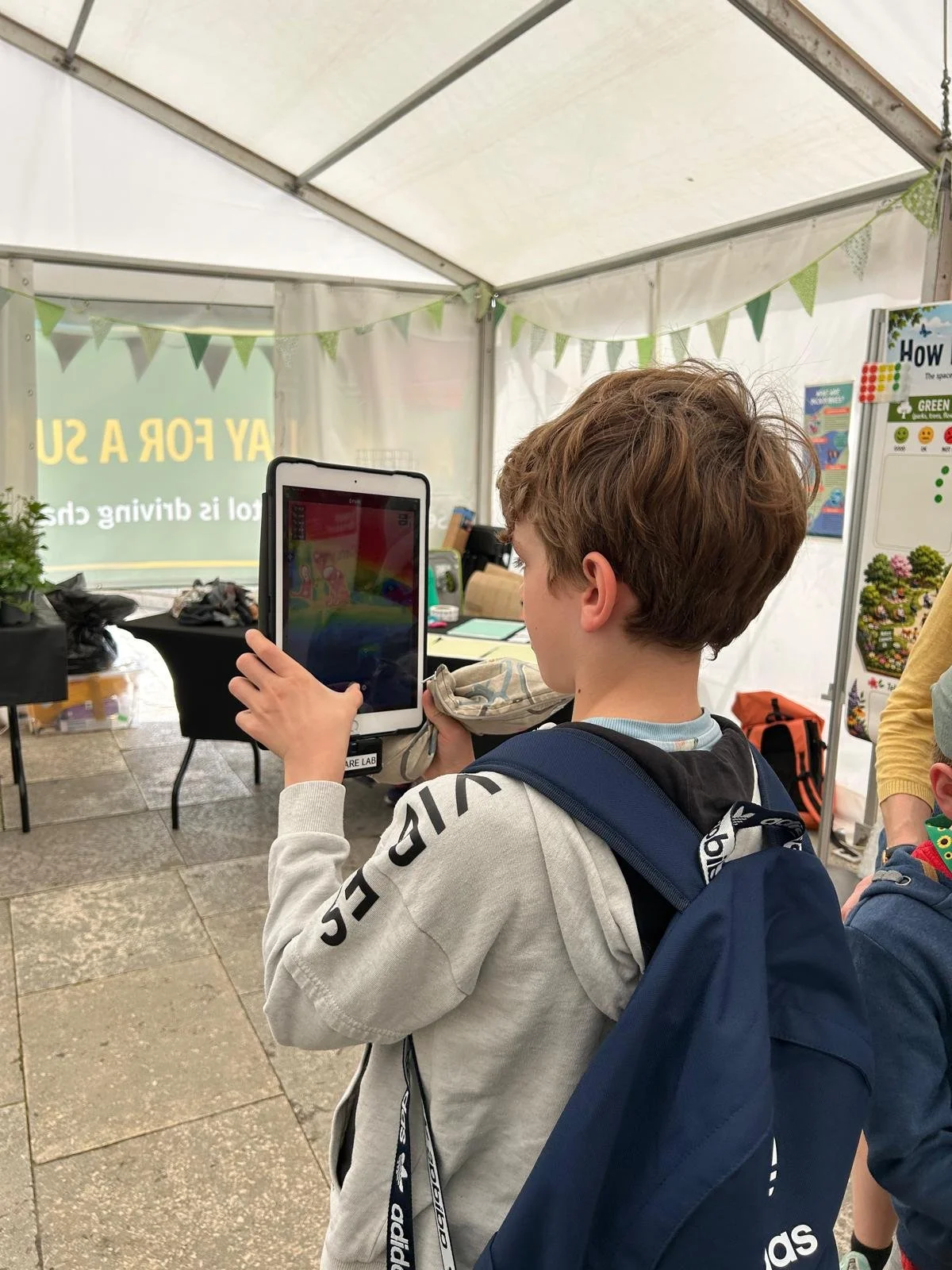
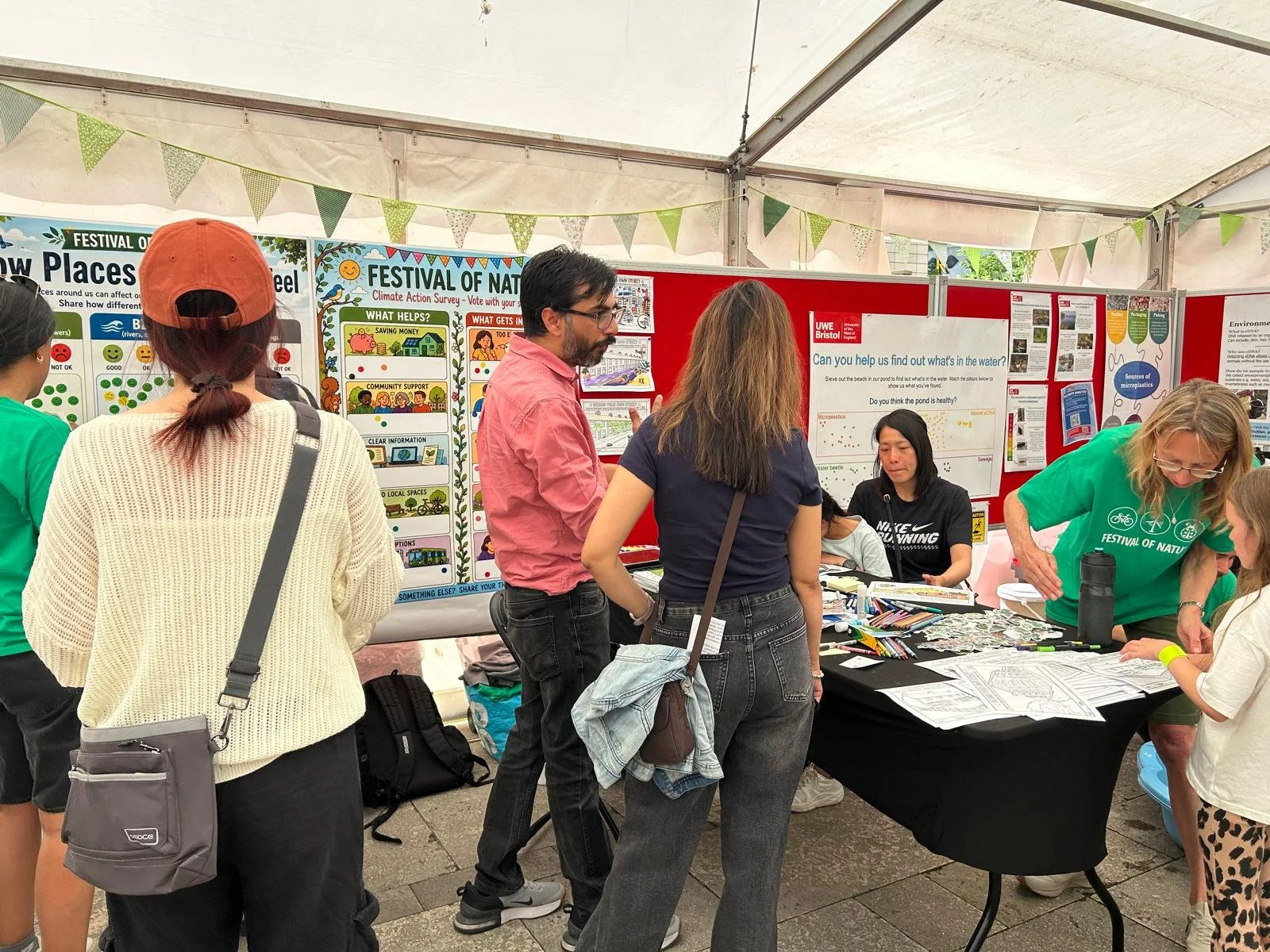
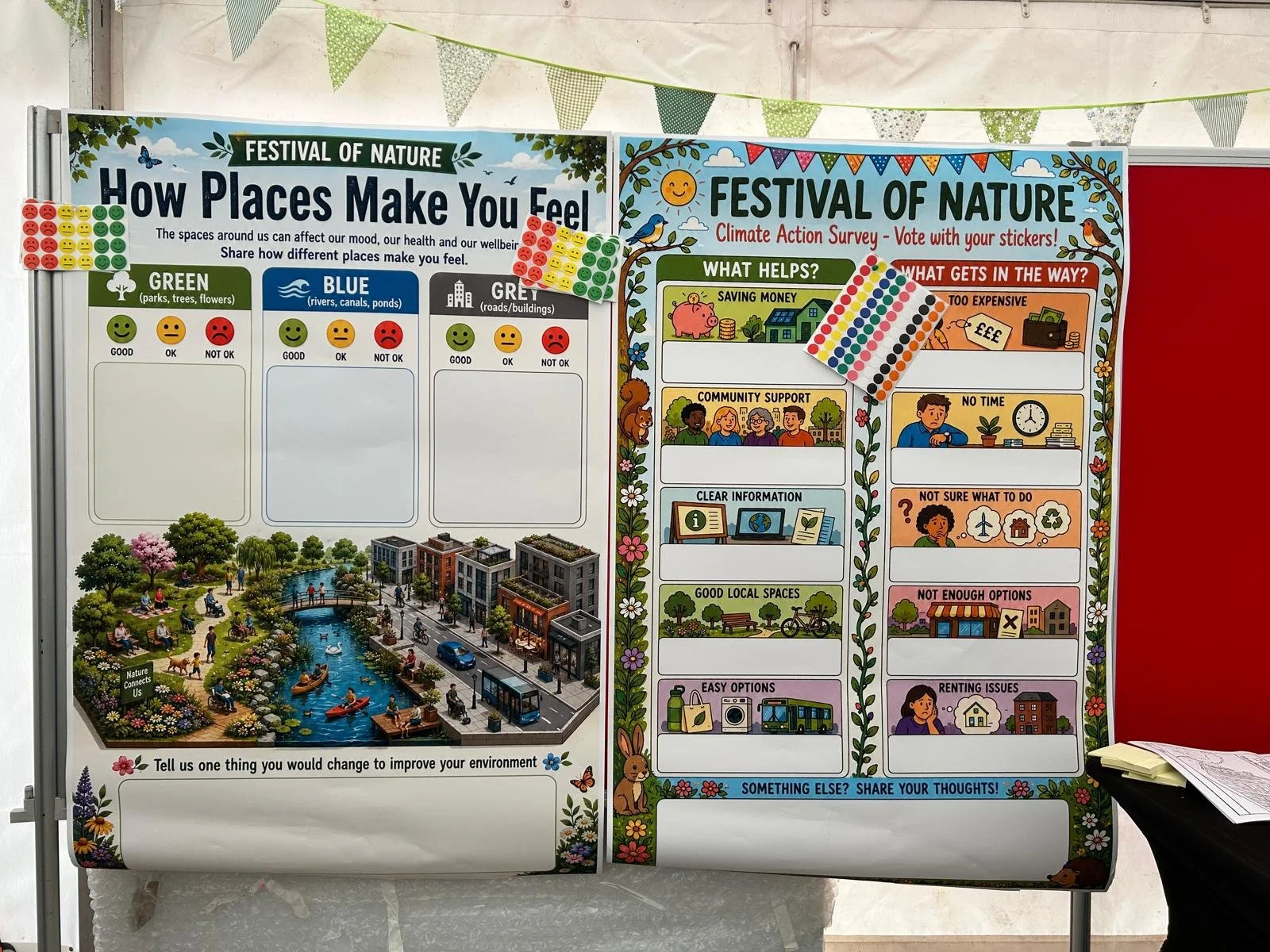
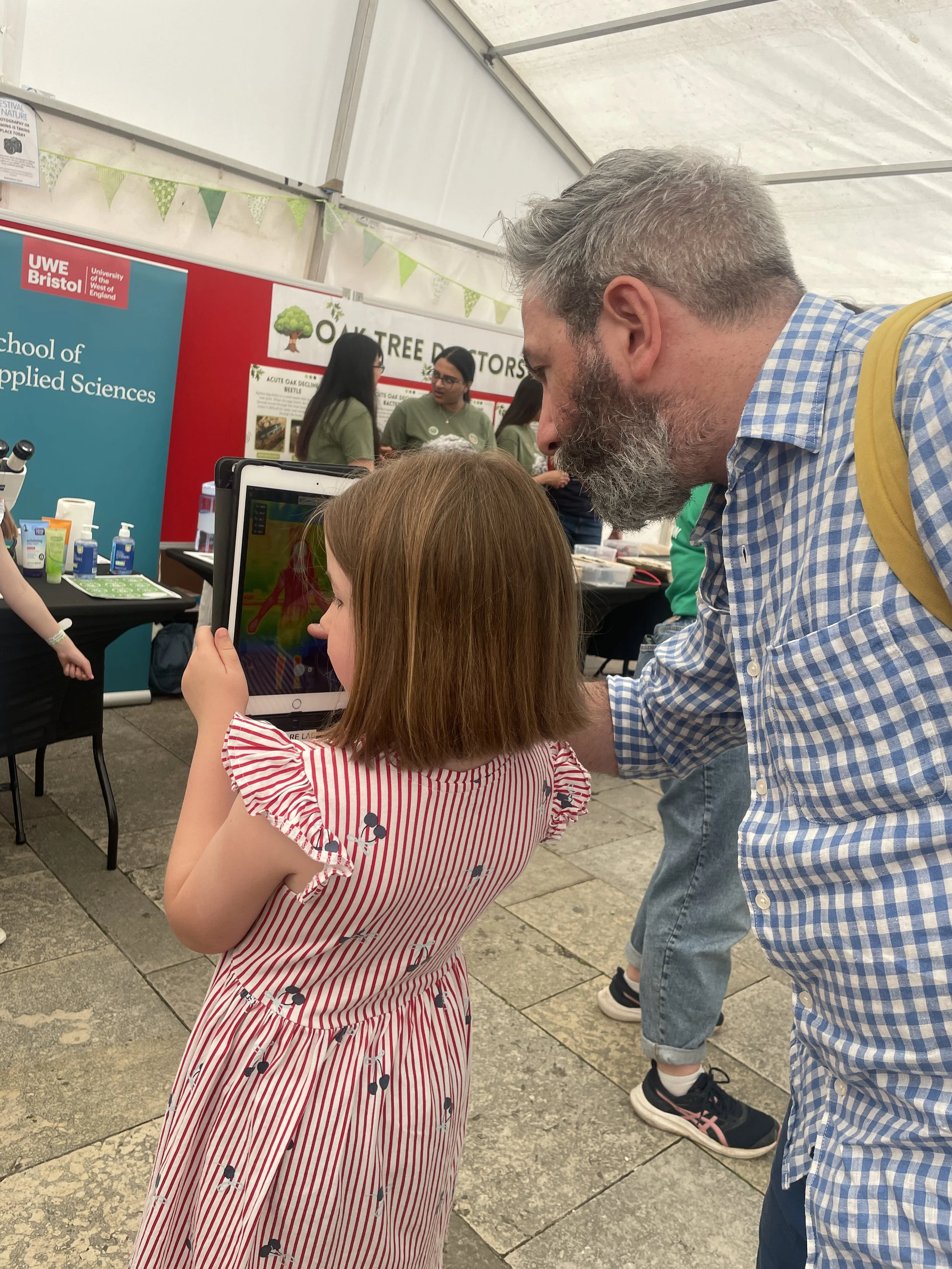
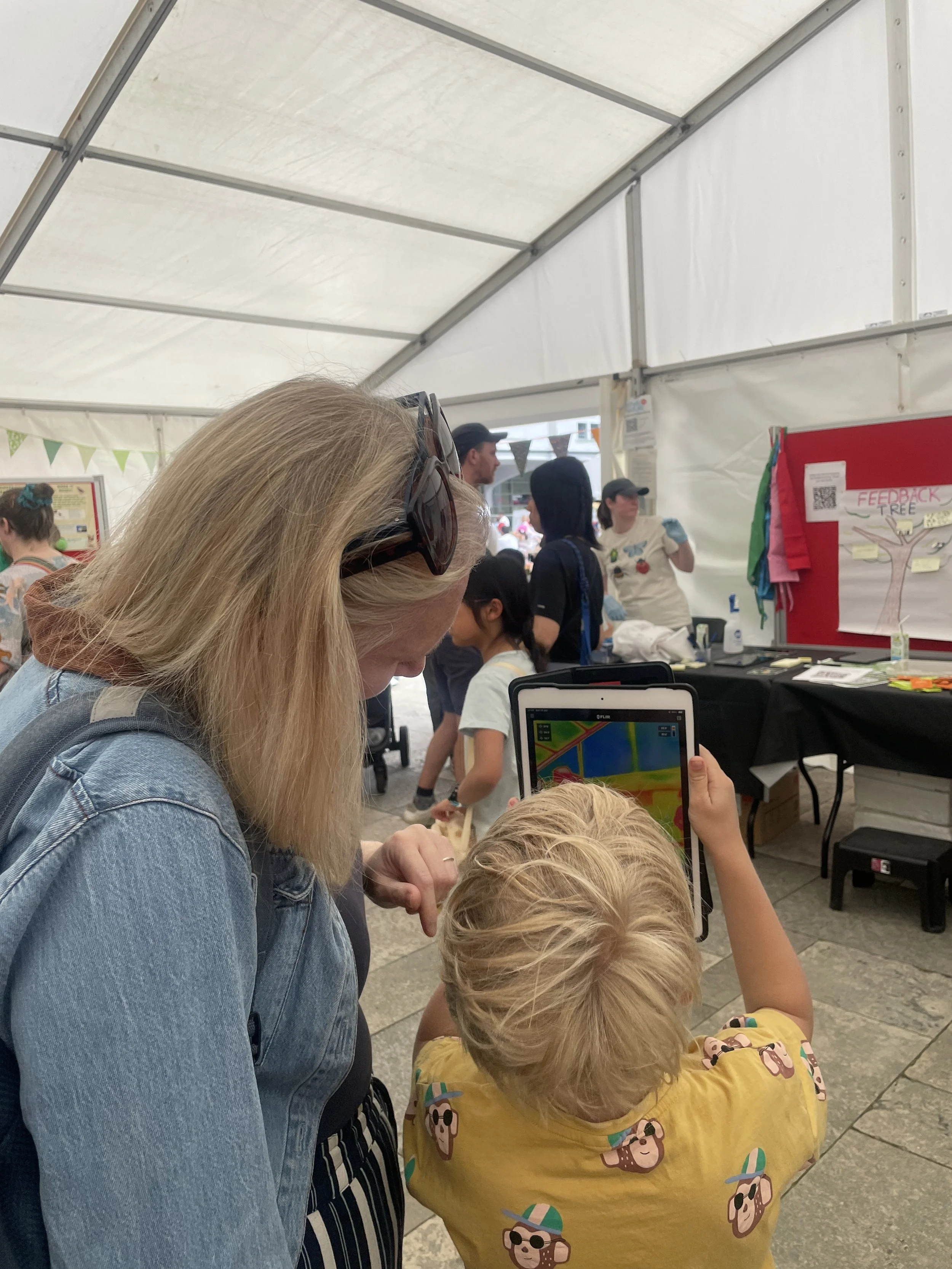
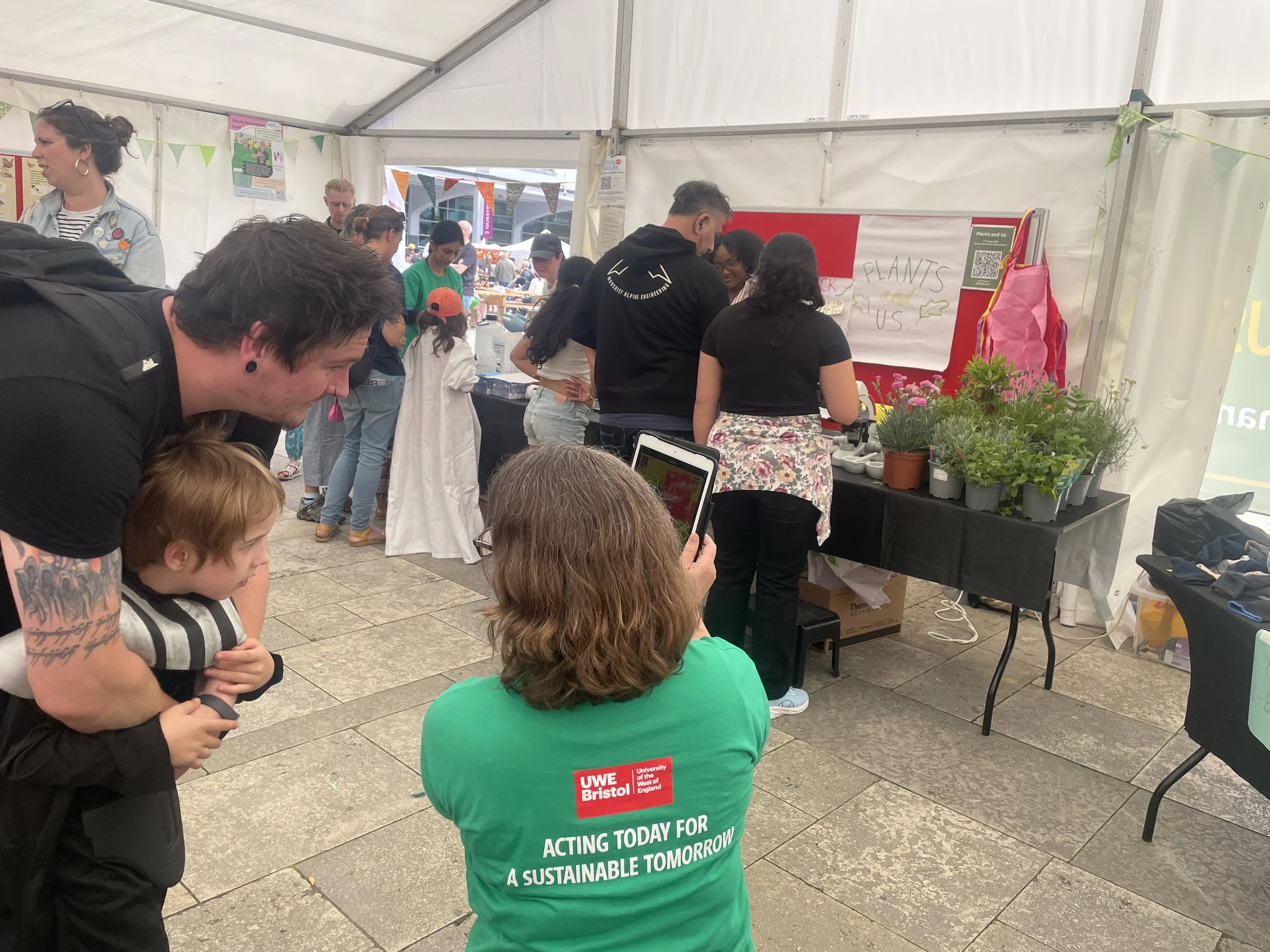
The festival provided an exciting opportunity to demonstrate how research can support practical solutions for climate adaptation at street level. Visitors to the GP4Streets is pioneering the implementation of the greening features to households (front and back gardens, and balconies) and urban streets. The team engaged with visitors to explain how simple greening measures could be introduced around homes, pavements and residential streets, including planting, rain gardens, green walls and other forms of green infrastructure to make urban areas resilience to climate and environmental stresses.
Dr Anubhav Dwivedi said: “The Festival of Nature provided an excellent opportunity to communicate the vision of GP4Streets directly to residents and families. It was encouraging to see how interested people were in practical ways of making their streets greener, healthier and more resilient. These conversations also allowed us to listen to community priorities and understand the everyday challenges that need to be considered when developing street greening solutions.”
A major highlight of the event was the direct engagement with families, children and residents. Visitors shared their ideas about what a greener street should look like and discussed the environmental and public health benefits of introducing more vegetation into urban neighbourhoods. The team explained how appropriately designed greening measures can help reduce heat, manage rainwater, support biodiversity, improve local environmental quality and create more attractive spaces for communities.
Dr Issy bray from UWE said, “We enjoyed connecting with people of all ages. Children used pens and stickers to design their own streets and told us about their gardens at home, while adults were keen to talk about a wide range of issues, from wildlife in their garden to sustainable food production”.
The conversations also provided valuable insight into the practical factors that may influence the adoption of street greening measures. Residents discussed issues such as limited space, maintenance, cost, accessibility and the need to select suitable plants for different street and housing conditions. These views are important to the GP4Streets approach, which places residents and local communities at the centre of developing realistic and locally appropriate solutions.
Participation in the Festival of Nature reinforces GCARE and the Guildford Living Lab’s commitment to connecting scientific research with society. Through GP4Streets and related clean air and climate resilience activities, GCARE continues to work with universities, communities, local authorities and other partners to co create practical solutions for healthier, greener and more sustainable urban environments.
GP4streets is funded the UKRI (NERC, AHRC, MRC, EPSRC, ESRC) and DEFRA under the Maximising UK Adaptation to Climate Change initiative GP4Streets project under the grant number UKRI1281.